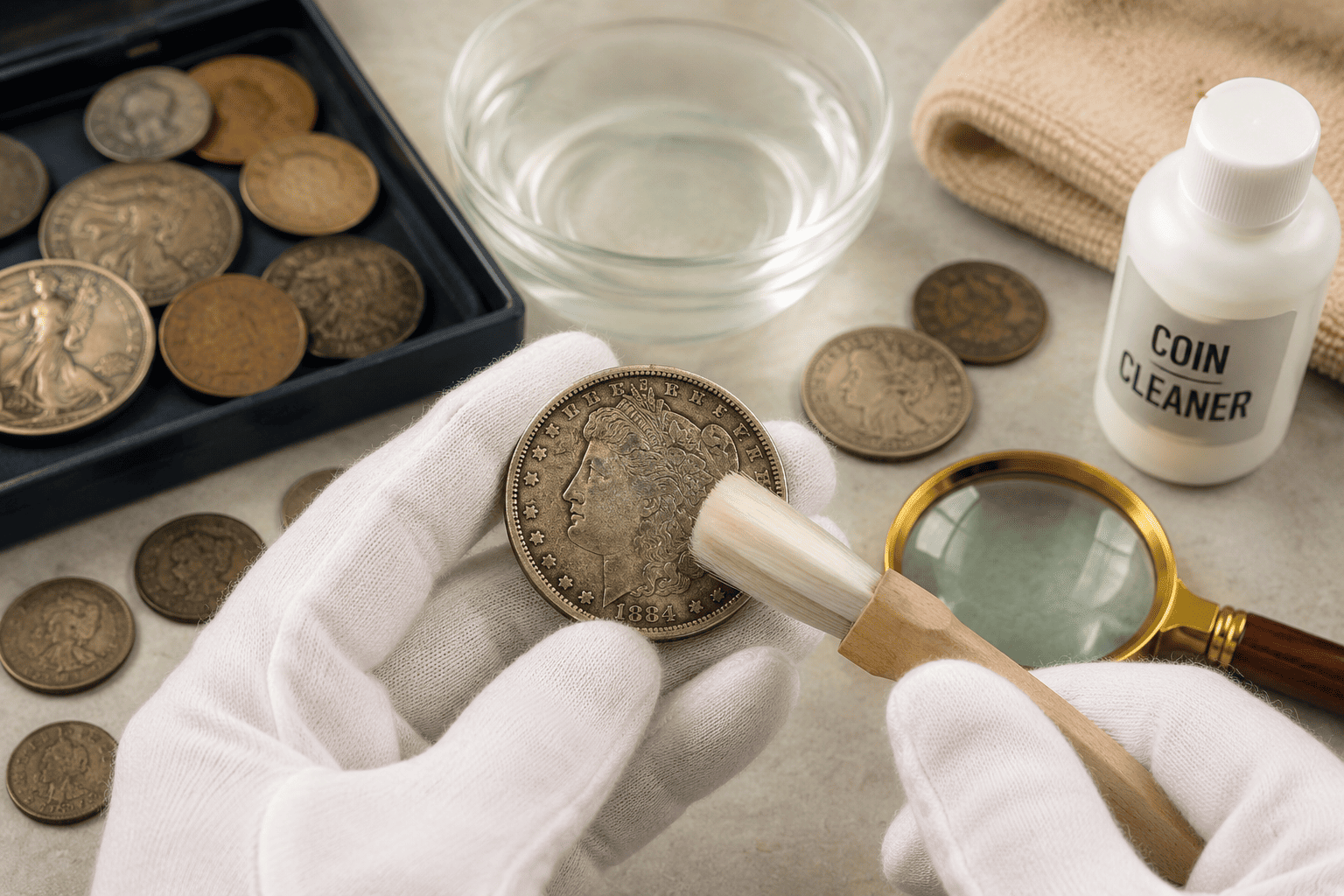
how to clean old coins safely
If you have found old coins in a drawer, inherited a coin collection or up dug coins in your garden, you probably want to know how to clean old coins the right way. Learning how to clean old coins is not as simple as soap using and water, because wrong method can damage the coin surface and reduce its value forever. This falls practice under numismatics, the study and collection of coins and currency, which originality values far more than shine. In this guide you will learn safe, tested and approved expert methods for how to clean old coins at home, along with mistakes you must avoid and when you should not clean a coin at all.
How to Clean Old Coins ?
Best way to clean old coins is to use method gentlest starting with plain distilled and moving to mild solutions only if needed. Cleaning aggressively old coins with metal polish, brushes abrasive or acid can surface permanently damage and collector value destroy.
- Soak coin in distilled water for few hours to dirt loosen
- Use soft cloth cotton or your fingers, never hard brush
- Pat gently dry instead of rubbing
- Avoid water tap because minerals can leave spots
- Never use jewelry cleaners or coin dips unless you are experienced
Why Do People Want to Clean Old Coins ?
People want to clean old coins mainly to improve their appearance, identify the date and mint mark, or prepare them for display or sale. Many beginners assume a shiny coin is worth more, but in the coin collecting world, this is usually the opposite of the truth.
- To read faded dates and mint marks clearly
- To remove dirt from coins found while metal detecting
- To prepare inherited coins for identification
- To make coins look presentable for gifting
- To prepare bullion coins (not rare coins) for resale
If your collection also includes old paper money coins alongside, it helps to first check how much a silver certificate is worth before whether deciding to clean, store or sell any piece from your collection.
Is It Safe to Clean Old Coins ?
Cleaning old coins is not always safe, especially for rare or valuable coins, because cleaning improper can leave scratches, remove natural patina and lower the coin grade significantly. However cleaning gentle of common, low value or bullion coins is considered generally safe if done correctly.
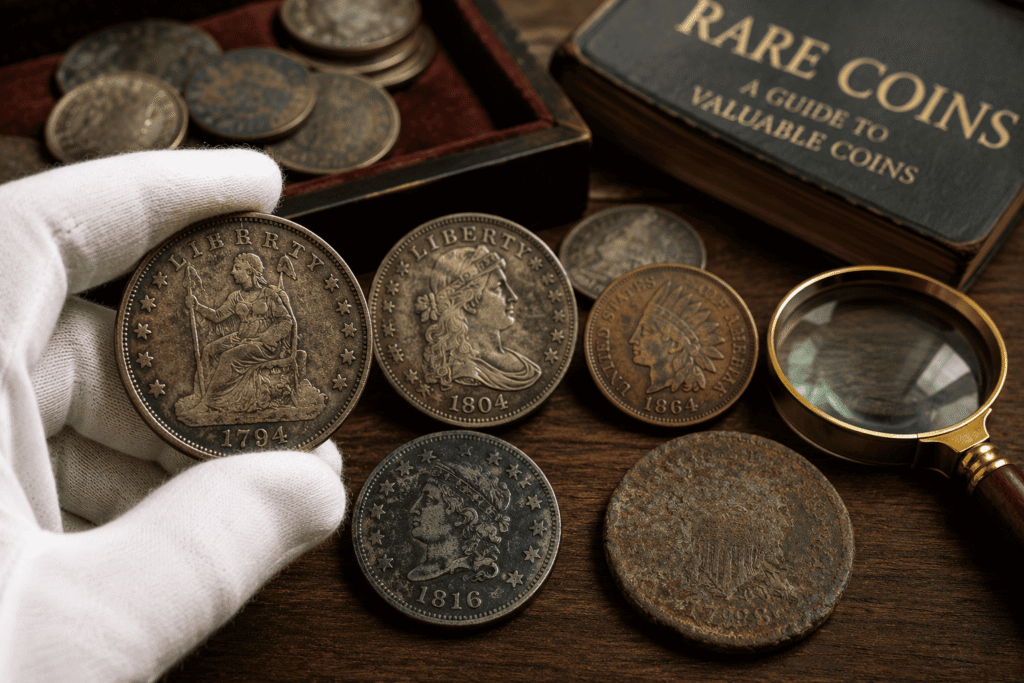
- Never clean coins that may be rare or valuable before getting them appraised
- Avoid any method involving scrubbing, acid or heat
- Test any cleaning method on a low value first coin
- Understand that cleaned coin often sell for less than uncleaned ones
- Consult a before numismatist cleaning anything unusual
How to Clean Old Coins at Home Using Household Items:
Many people search for how to clean old coins at home because they quick want, low solution cost using items already in the kitchen. The household safest methods involve agents mild soaking like vinegar, baking soda, lemon juice, used briefly and followed by rinsing thorough.
How To Clean Old Coins With Vinegar:
Clean old coins with vinegar, coin soak in vinegar plain white for 5-10 minutes, then rub gently with cloth soft and rinse with immediately distilled water. Vinegar well works on copper and bronze coins because its mild acidity dirt dissolves and without grime heavy scrubbing.
- Use white plain vinegar, not flavored or types colored
- do not soak for more than 15 minutes
- Rinse thoroughly to stop acidic reaction
- Dry with a soft, lint free cloth
- Avoid this method on coins with valuable patina
How to Clean Old Coins with baking soda:
Cleaning old coins with baking soda involves paste making soft with water and gently rubbing it on the coin surface using fingertip or cloth soft. Baking soda is abrasive mildly, so it should only be used on corroded heavily, low value coins rather than delicate or ones rare.
- Mix Baking soda with few drops of water
- Gently apply with circular light motions
- Rinse immediately with water distilled
- Never use on silver or gold coins
- Best suited for old, dirty copper or bronze coins
How to Clean Old Coins With lemon Juice:
Lemon juice can clean old coins by down breaking dir surface due to it natural citric acid similar to vinegar but gentler slightly. Soak coin for short time well rinse and immediately dry to prevent any residue acidic from damaging metal.
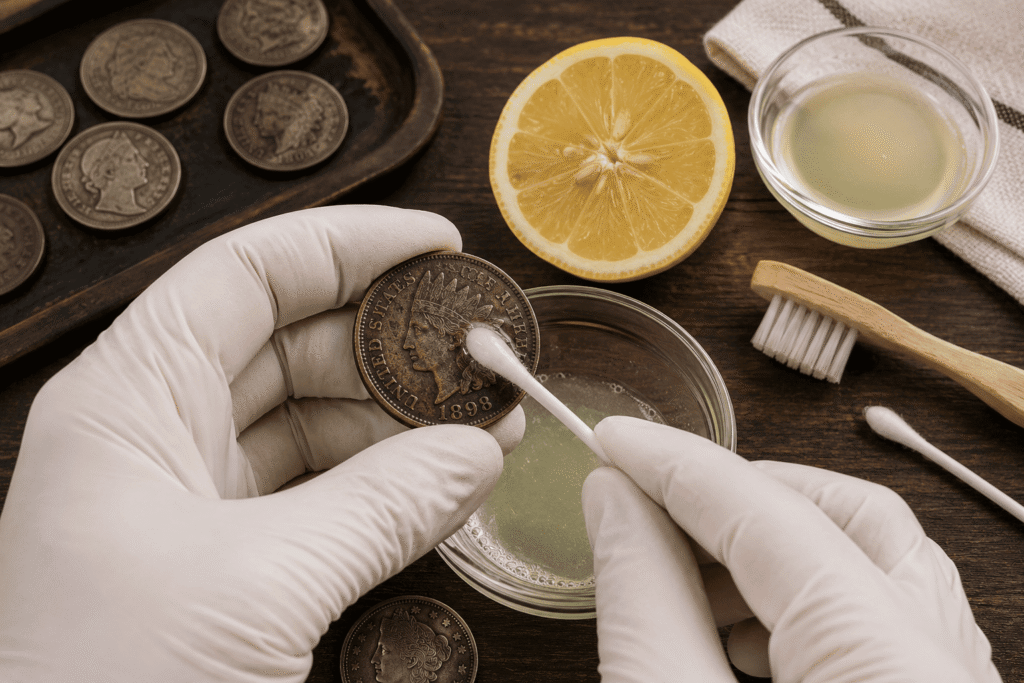
- Use fresh lemon juice, slightly diluted with water
- Limit soaking time to 5–10 minutes
- Rinse with distilled water right after soaking
- Dry completely to avoid oxidation
- Suitable mainly for common circulation coins
How to Clean Old Copper Coins:
Copper coins are sensitive to cleaning, so safest way to clean copper old coins is soak short in olive oil, which dirt slowly loosens without metal damaging. This traditional method can take days several to weeks but it is gentle and trusted widely by collectors.
- Soak copper coin fully in olive oil
- Leave it undisturbed for days several
- Check progress periodically without rubbing
- Rinse gently with water warm once clean
- Avoid vinegar or acids on rare copper coins
How to Clean Old Silver Coins:
Silver coins require special care and recommended way to clean old silver coins is using a dish mild soap solution with soft cloth, avoiding all materials abrasive. Harsh cleaning of silver coins can strip their tone natural and reduce drastically collector value.
- Use water lukewarm with drop of dish mild soap
- Gently dab, scrub never, surface coin
- Rinse with distilled water afterward
- Dry immediately with cloth soft
- Avoid silver polish or dips commercial on rare coins
Silver dollars from certain years carry collector strong premiums, so it is worth checking value of a 1923 silver dollar coin before you whether decide cleaning or selling is the better option for your piece.
How To Clean Old Coins Without damaging Them:
The key to cleaning old coins without damaging them is using patience gentlest first method and immediately stopping if the surface shows any change. Rushing process or using tools abrasive is the number one reason valuable coins lose their worth.
- Always start with water distilled only
- Never use toothpaste, steel wool or sandpaper
- Avoid cleaners ultrasonic for delicate or rare coins
- Handle coins by the edges only
- Store coins cleaned in acid free holders afterward
Tools Needed to Clean Old Coins:
Before you begin gather few simple designed tools specifically for coin cleaning so you avoid using materials that could scratch or discolor surface permanently.
- Distilled water not tap water
- Soft cotton cloths or microfiber cloths
- A bristled soft brush only for stubborn dirt on common coins
- Acid free holders coin for storage
- Cotton gloves to prevent oils fingerprint
Common Mistakes When Cleaning Old Coins:
Many beginners make mistakes avoidable when learning how to clean old coins, which results often in permanent damage and loss of value. Understanding these mistakes beforehand can save your collection from harm irreversible.
- Using polish metal or jewelry cleaner on rare coins
- Scrubbing with toothbrushes or abrasive pads
- Soaking coins for too long in acidic solutions
- Cleaning coins before checking their potential value
- Rubbing the coin dry instead of gently patting it
When Should You Not Clean Old Coins ?
You should not clean old coins if they appear rare, significant historically or potentially valuable, because even cleaning gentle can reduce their grade and market price. In numismatics an original uncleaned surface is often worth far more than shiny cleaned one.
- Coins that look unusually old or foreign
- Coins with visible mint marks and low mintage numbers
- Coins inherited with historical documentation
- Coins found in hoards or archaeological contexts
- Any coin you plan to sell or get appraised
Collectors researching old paper currency alongside coins should also learn what a 1935 silver certificate dollar is worth before cleaning, altering, or trading any related piece from their collection.
How Professionals Clean old Coins:
Professional numismatists use conservation controlled techniques rather than remedies home when cleaning old coins, focusing on preserving the coin originality rather than making it shiny. This is why serious collectors always recommend professional appraisal before attempting any cleaning.
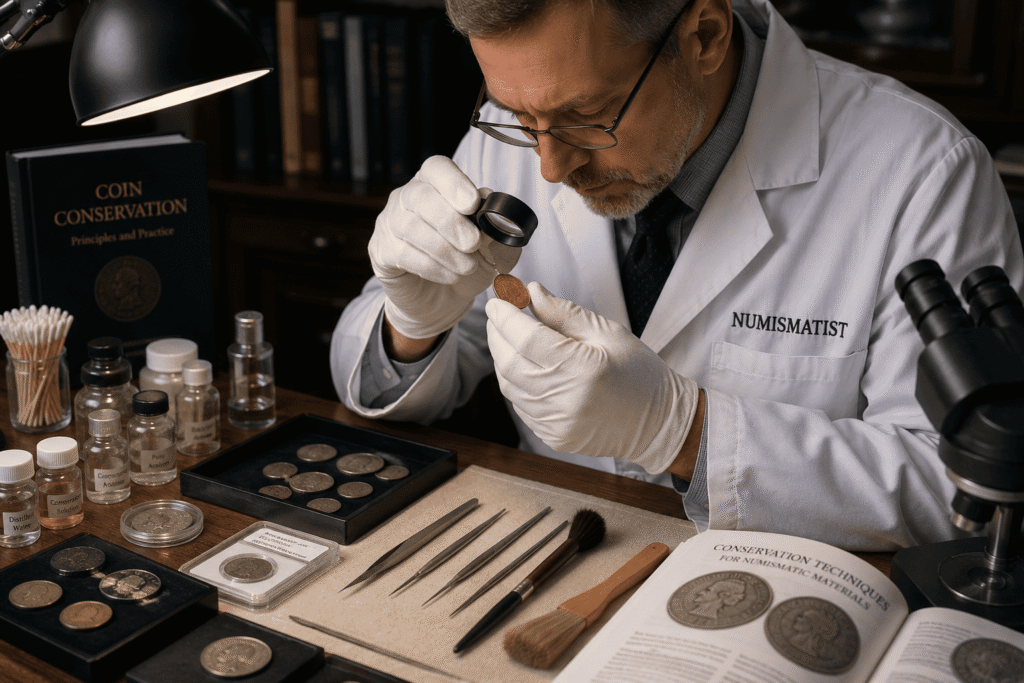
- Use distilled water soaks over extended periods
- Apply specialized, non-abrasive conservation solutions
- Examine coins under magnification before any action
- Document condition before and after cleaning
- Avoid altering the coin’s natural patina entirely
For a broader look at grading, valuation, and preservation standards for coins and currency, guides on Silver Certificate Worth offer helpful reference material for collectors at any level.
FAQs About How to Clean Old Coins
Q1: What is the safest way to clean old coins ?
The safest way to clean old coins is soaking them in water distilled and patting gently them dry, without rubbing, scrubbing or using any chemicals. This method works for most common coins and minimizes the risk of damage surface.
Q2: Can I clean old coins with toothpaste ? No toothpaste is abrasive and should never be used to clean old coins because it scratches the surface metal and removes fine details. Even looking mild toothpaste can permanently dull a coin shine original and reduce its value.
Q3: Does cleaning old coins reduce their value ? Yes cleaning old coins, rare especially or valuable ones, usually reduces their value because collectors prefer original, unaltered surfaces. A coin appraiser or numismatist should always be consulted before cleaning anything valuable potentially.
Q4: How do you clean old coins found while detecting metal ? Coins found while detecting metal should be soaked in distilled water first, then very cleaned gently with soft brush only if heavily encrusted with dirt. Aggressive right cleaning after digging can valuable strip historical patina.
Q5: Is vinegar safe for cleaning all old coins ? Vinegar is safe for common cleaning copper or bronze coins but should be avoided on silver, gold or rare coin, since acid can cause discoloration. Always test on low value coin before using vinegar on your main collection.
Conclusion:
Knowing how to clean old coins properly is essential for anyone who collects, inherits or old finds currency, because wrong technique can cause permanent, irreversible damage. Whether you choose water distilled, olive oil for copper coins or mild soap solution for silver coins, always gently start and stop if you notice any change in surface. If coin rare looks or valuable historically, safest choice is to leave it uncleaned and consult professional numismatist doing before anything. Building valuable coin or collection currency over time also comes down to smart habits and understanding why personal finance depends on your behavior can help you manage your collection long term wisely value. By following steps above on how to clean old coins, you can protect both appearance and the value of your collection for years to come.
About the Author




2 thoughts on “How to Clean Old Coins: Best tools for clean old coins”