
Why Is Personal Finance Dependent Upon Your Behavior ?
Money problems are not always about how much earn you. Most of the time real issue is how act you with your money. This is why personal finance is dependent your upon behavior more than anything else. Two people can earn same salary, yet one money saves and other broke stays. Difference is behavior not income.
In this article we will explain in simple words why is dependent personal finance upon your behavior and how daily small habits shape your future financial. We will also look at real life examples: mistakes common and simple steps you can take today starting.
What Is Personal Finance ?
Personal finance is way you manage your own money. It covers saving, spending, budgeting, investing and planning for future.
It is not just about numbers in bank account. It is about the choices you make every single day. Some choices are small, like buying daily coffee. Some are big like taking loan you cannot repay.
Why Is Personal Finance Dependent Upon Your Behavior ?
Personal finance is dependent your upon behavior because money does not manage itself. You are one who decides where it goes.
If you spend more than you earn you will always in debt. If you save small part of your regularly income, you will slowly wealth build. This simple truth shows that why is personal finance dependent upon your behavior is not just theory. It is fact seen in real life every day.
A person with low salary but habits good often ends up richer than person with high salary and habits poor. This proves that behavior plays role bigger than income alone.
How Does Daily Behavior Shape Financial Health ?
Your daily choices over add up time. A single bad decision may not much hurt, but bad repeated decisions create big problems.
Here are some daily behaviors affect your money:
- Checking regularly your bank balance
- Avoiding purchases unnecessary
- Bills paying on time
- Saving fixed amount every month
- Avoiding loans unplanned
These small actions build financial habits over years. This is another behavior matters reason more than salary size when it comes to money.
Why Do Spending Habits Matter So Much ?
Spending habits show relationship yours with money. Some people spend to feel happy for short time. That is called emotional spending.
Emotional spending good feels at first. But later it creates stress and debt. A person who controls spending usually habits has less financial stress in life.
Example if someone earn 100000 rupees but spends 110000 rupees every month they will always be in trouble. But if someone earn 60000 rupees and spends only 45000 rupees they will have savings and peace of mind.
How do Emotions Affect Financial Decisions ?

Emotions play huge part in money decisions. Fear, greed and excitement push often people to make choices they regret later.
- Fear can people stop from investing, even when it is good time.
- Greed can push people into risky decisions, like investment fake schemes.
- Excitement can lead to during overspending sales or festivals.
Understanding your emotions is big step in financial improving behavior. This is strong behind reason why is personal finance dependent upon your behavior instead of only depending on knowledge.
What Is Role of Discipline in Personal Finance ?
Discipline mean sticking to plan even when it feels hard. Many people know what they should do with money but they still do not do it.
Everyone knows saving is important. But not everyone save. The gap between knowing and doing is filled by discipline.
Discipline helps in these ways
- It keeps you away from buying impulse.
- It helps you follow monthly budget.
- It builds habit of saving before spending.
- It stops you from taking loans for things unnecessary.
Without discipline even financial best plan will fail. Discipline is what good turns plan into real results step by step.
Why Do People With Good Income Still Face Money Problems ?
Many people think more income solves all the money problems. But this is not true always.
People with often high income increase their spending as their grows income. That is called lifestyle inflation. As salary goes up, expenses also go up and savings stay the same or even shrink.
This is proof that behavior controls money more than income does. A person who manages wisely small income will always be in better position than person who wastes a large income.
How Can You Improve Your Financial Behavior ?

Improving behavior financial is possible with small steps. You do not need to everything change at once. Start slow and stay consistent.
- Set budget monthly and follow it.
- Track expense every, even small ones.
- Save fixed percentage of first income, then spend rest.
- Avoid loans for things you do not need really.
- Wait 24 hours making before a big purchase.
- Review your every spending week.
These habits, when repeated, part become of your personality. Over time they change your entire financial life.
Can Old Currency and Coins Be Part of Good Financial Behavior ?
Good financial behavior is not only about cash saving. Some people also build wealth by collecting rare items, like old coins and notes currency.
If you own old notes, it is smart to check how much a silver certificate is worth before you sell or it trade. Many people do not know real value of these notes and selling end up them cheap.
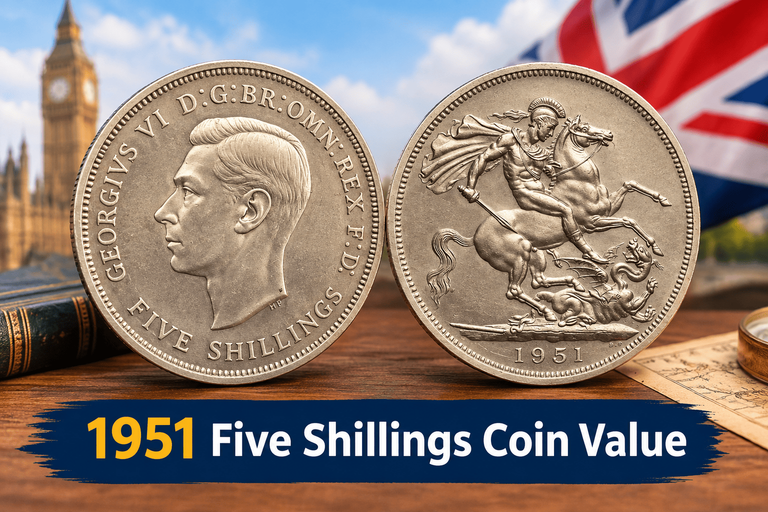
Same rule applies to old coins. For example checking value of a 1923 silver dollar coin before selling can help you get fair price instead of random guess.
This is also part of financial good behavior. Checking facts making before a money decision, instead of acting on guesswork, saves you from loss. If you want to more learn you can browse full coin values guides to understand pricing better.
For a complete guide on collectible currency and coin pricing, you can visit Silver Certificate Worth.
How Does Behavior Affect You During Financial Emergency ?
Emergency can happen to anyone. Sudden medical bill, job loss or repair car can hit at any time. How you react in that moment depends on habits you built long before arrived emergency.
People with an emergency handle fund these situations calmly. They saved already money for this exact reason. People without savings panic often and take high interest loans to survive month.
This shows that habits good protect you even in situations you cannot predict. The habit of saving before an happens emergency is what protects you when it actually does.
Why Is Comparing Yourself to Others Bad Financial Habit ?
Social pressure is major reason behind poor money choices. Seeing friends buy new phones or go on often expensive trips pushes people to spend money they do not have.
That behavior is called social spending. It happens when spend people to match others, not because they need actually something.
- Focus on your own financial goals, not someone else lifestyle.
- Remember that social media shows often a fake picture of wealth.
- Set your budget based on your income not on comparison.
Avoiding comparison is another simple habit that protects your savings and keeps your behavior financial on track.
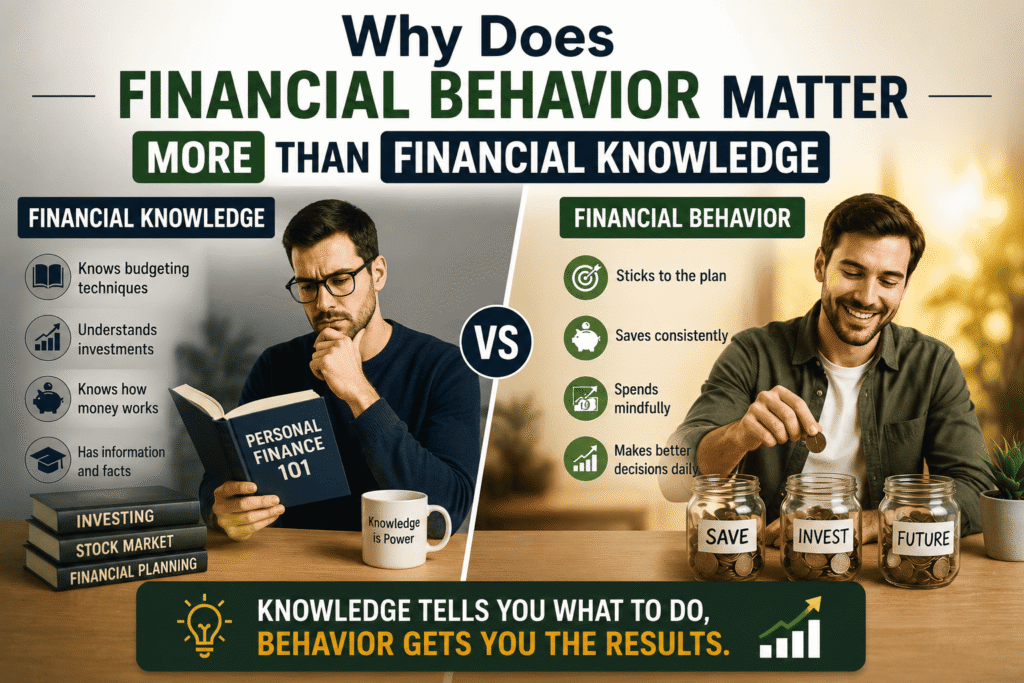
Why Does Financial Behavior Matter More Than Financial Knowledge ?
Many people know theory of saving and investing. They have read articles and understood the basics. But knowledge alone does not create wealth.
Behavior turn knowledge into action. A person who knows about saving but saves never gets no benefit from that knowledge. That is why is personal finance dependent upon your behavior rather than just knowledge or information.
Knowledge tell you what to do. Behaviors actually does it.
What Happens When You Ignore Financial Behavior ?
Ignoring behavior financial leads to serious problems over time. Some common result are:
- Growing debt that hard becomes to pay off
- No saving for emergencies
- Stresses and anxiety about money
- Delayed life goals like buying house or starting business
- Dependence on loan for daily needs
These problem do not happen overnight. They builds up slowly because of repeated poor choices and this proves how much behavior shapes your money in long run.
How Can You Track Your Financial Progress ?
Tracking progress keep you honest about your habits. Without tracking it is easy to think you are doing well when you are overspending actually.
Simple review monthly works well for most people. Sit down at end of every month and check three things how much you earned, how much you spent and how much you saved.
- Use notebook or simple mobile app to record expenses.
- Compare your saving every month to see if you are improving.
- Set small goal like saving 10 percent more next month.
These habits of tracking builds awareness. And awareness is often first step toward better financial behavior.
FAQs About Personal Finance and Behavior:
What is biggest factor in personal finance ?
The biggest factor in personal finance is behavior not income. How you spend, save and plan your money matters more than how much you earn.
Can low income person still build wealth ?
Yes low income person can build wealth with good habits. Regular saving, avoiding debt and spending smart help build wealth over time, even with a small salary.
Why do rich people sometimes go broke ?
Rich people sometimes go broke because of spending poor habits and lifestyle inflation. When expenses grow faster than income, even high salary is not enough.
How long does it take to change financial behavior ?
Changing financial behavior take time, usually few months of consistent effort. Small habits repeated daily create long term change.
Is budgeting really necessary for good financial behavior ?
Yes budgeting is necessary. It gives clear picture of income and expenses and it helps control spending habits in simple way.
Conclusion:
Money managements are not only about numbers. It is about habits, choices and daily behavior. This article explained why is personal finance dependent upon your behavior through simple examples and real life points.
Income can help but behavior decides real outcome. Saving habits, spending control, discipline and emotional balance all shape your life financial. If you want better money management, start by improving your daily financial behavior, not just your income.
For more general information on this topic, you can also check the Personal Finance page on Wikipedia.
About the Author






5 thoughts on “Why Is Personal Finance Dependent Upon Your Behavior? 7 Powerful Reasons”